
Durham County Council’s recently published ‘Child Poverty in County Durham’ report reveals that in 2023/24, 28.8% of County Durham’s children are living in relative poverty, compared to 28.4% in the North East and 22.1% in England. The report goes onto detail three key priorities, with the second being to “promote social inclusion to ensure all children, young people, and families have access to health, educational and wellbeing activities which build resilience and supports children and families to thrive.”
As the largest Further Education provider in Country Durham, New College Durham (NCD) is committed to breaking the cycle of child poverty by ensuring that financial hardship never becomes a barrier to learning. Adopting a holistic approach, the college ensures that it provides targeted financial aid, wellbeing support, and opportunities to empower learners from low-income households, enabling them to succeed academically, socially, and emotionally.
NCD’s fight against child poverty is categorised into three key areas: financial support, inclusivity and support, and raising aspirations and employability.
Financial support to remove barriers
By creating a culture of care and inclusion, the college enables students to focus on learning, develop resilience, and achieve higher levels of attainment, ultimately improving their life chances and contributing positively to their communities.
The college removes barriers to students’ engagement in Further Education via:
- Providing full bursary support for households whose income is £60,000 or less.
- Continuation of free meals at college, for students who had access to free meals at school, with an increased free meal allowance from £2.61 to £5.00.
- Access to £5.00 per day for college meals via bursary for students who were not eligible for free school meals.
- Fully supported travel to college for students who live more than two miles from the college and whose household income is less than £60,000.
- Partially supported travel to college for students who live more than two miles from college and have whose household income is more than £60,000 but less than £100,000.
- Contribution towards costs of trips and visits.
- Support for costs of kit, equipment and uniform.
- Distribution of household vouchers to eligible free meal students (twice a year) through the Durham County Council - Local Authority scheme.
- A Student Access voucher scheme at the start of term, providing meals to students until free meal eligibility is approved, ensuring that no student goes hungry.
NCD recognises that the ways in which support is offered is just as important as the support itself, and has implemented measures to ensure learners feel comfortable and confident in accessing the support on offer, for example the college has refined its systems and processes to ensure that those in receipt of support cannot be distinguished from those not accessing the support.
Inclusive, Supportive Culture for All
As one of NCD’s six values, the college strives to foster a diverse environment to ensure equal opportunity for all.
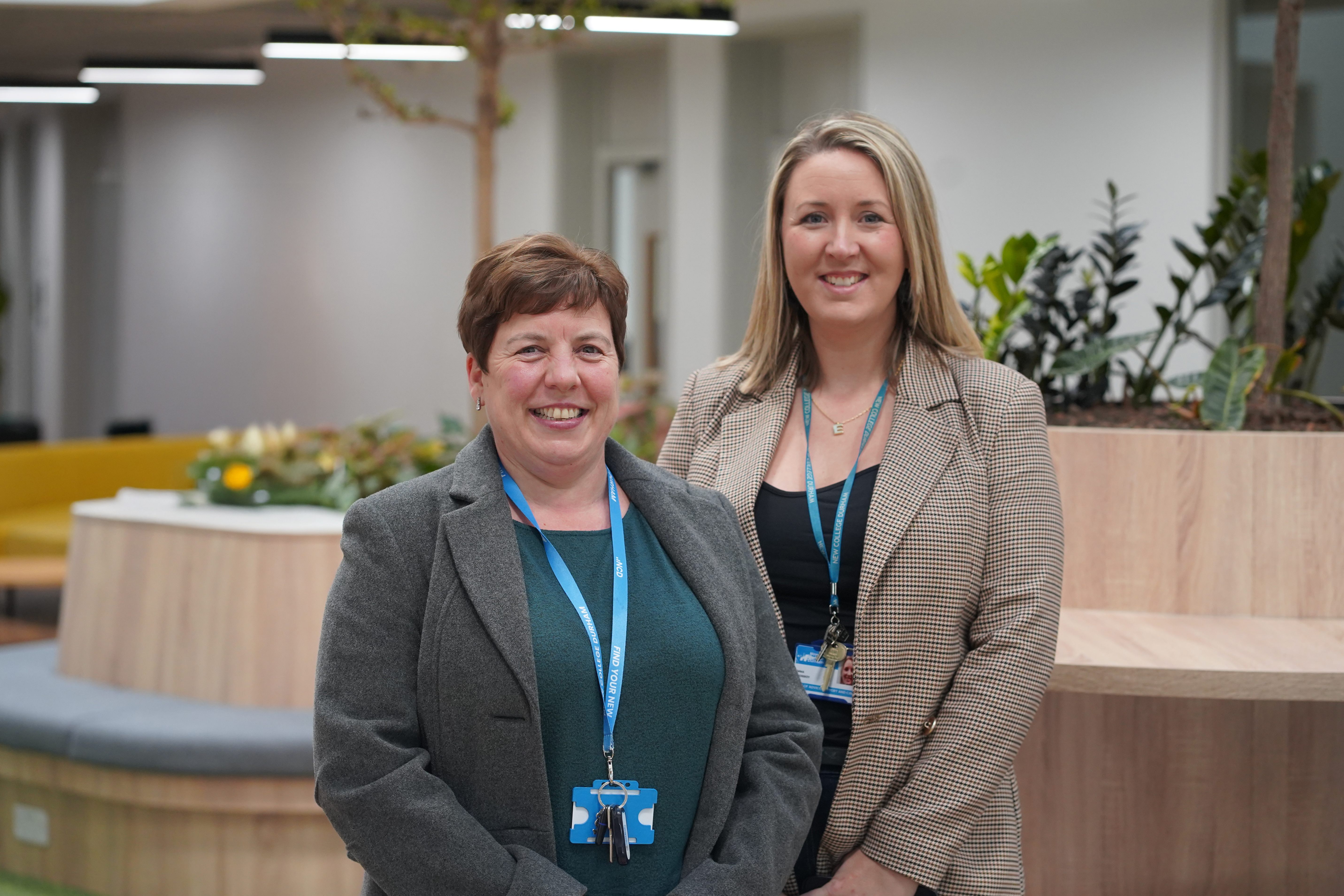
Emma Crosskey, Head of Advice, Support and Careers, at New College Durham commented, “By creating a culture of care and inclusion, the college enables students to focus on learning, develop resilience, and achieve higher levels of attainment, ultimately improving their life chances and contributing positively to their communities.”
The college adopts:
- Cross-college collaboration, bringing together internal teams such as Advice, Support, Careers (ASC), Access Fund, Personal Learning Coaches, and Curriculum staff, to support those students who are most vulnerable are identified early and supported.
- Utilisation of ASC Information, Advice & Guidance Practitioners to provide learners with:
- Careers and funding advice
- Referrals to specialist agencies for welfare issues
- Advice on funding available for students at college
- Personal Development sessions for all Further Education students, exploring topics such as budgeting, homelessness, health and wellbeing, personal hygiene, money mulling, social action projects and guest speakers.
- Offering of free sanitary products and free Period Poverty Packs, as well as toiletry packs to learners in need.
- Free enrichment sessions for all learners, covering subjects such as exploring cooking on a budget, financial management skills, sport and wellbeing activities, and creative activities.
- Provision of counselling and mental health support without waiting lists.
- Awareness raising activities throughout the year.
- Investment in additional safeguarding staff. The college also acts as a referral agent for Durham Foodbank, offering emergency food to those in need.
Raising Aspirations and Employability
NCD’s ASC team delivers careers, progression support and funding advice, UCAS and interview travel support.
Targeted interventions support disadvantaged learners, including Looked-After Children, Care Leavers, and those with EHCPs.
The college has achieved Matrix Standard accreditation (2025) and Young Carers Silver Charter status with Family Action, demonstrating excellence in inclusive careers and support practices.
Karen Milne, Head of Training, Development and Access Fund at New College Durham, commented “We recognise the importance of ensuring that every student’s needs are met, as this forms the foundation for equitable access to education and personal success. When learners feel supported, financially, emotionally, and academically; they are more likely to attend regularly, engage in their studies, and reach their full potential. A supportive environment not only removes practical barriers such as hunger, transport difficulties, or lack of equipment but also fosters a sense of belonging and confidence that enhances motivation and self-belief.”
Impact
In 2024/25, over 1800 students received financial support to remove barriers to education from the college, including:
- Transport to and from the college
- Costs of trips and visits
- Purchase of kit, equipment and uniform
- Free college meals
And in this academic year (2025/26) the college is seeing similar number of students seeking financial support.
NCD’s proactive and compassionate approach ensures that every young person - regardless of income or background - has access to education, nutrition, wellbeing, and opportunity. The college stands as a model for how Further Education institutions can play a direct role in preventing and mitigating child poverty.